|
APTP-Acupuncture Practitioner Training program
..............................................................................................................................................
Duration: 6 Semesters (3 Year Full Time ) program
Start Dates: January, May, September
Credential Awarded: Northern Lights Training College Diploma
Program Overview
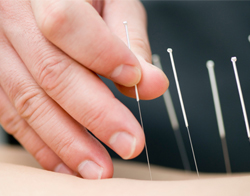
Acupuncture is the practice of inserting needles into the body to activate a change in its state of functioning. There are many ways of using acupuncture and this program is designed to have the student become well versed in all aspects of acupuncture. Its use in the treatment and prevention of disease and other disorders of the human organism will be studied. Acupuncture is part of traditional Chinese medicine and without tracing the history of acupuncture valuable understanding would be lost.
Semester One: The History of Acupuncture
This course traces the historical development of acupuncture, exploring the vitally important aspects of the human anatomy. Through studying the importance of the various dynasties in China, highlighting the crucial importance of the Yellow Emperor, the course will explore the development of ancient Chinese wisdom and its effect on the development of acupuncture theories. The history of acupuncture will provide students with an understanding of the interaction between mind and body and the changes of consciousness that occur.
Content:
• Ancient Chinese wisdom
• Tao, Yin Yang
• Qi
• System of five phases
• Ba Gang
• Four examinations
• Major patterns of disturbances
• Syndromes of the five Zang Organs
• Model of the five elements
• The twelve officials
• Central focus
• Archetypes of the unconscious and Chinese medicine
• Seasons of our lives
Semester Two: Scientific Basis of Acupuncture
This course introduces the channels and the importance of points. Students will study the locale of individual points and develop their knowledge of the channel and vessel system, anatomical orientation, location methods and measurements. The students will study pain transmission along with how cells operate. The students will also learn the practical significance of the system and acupuncture mechanisms.
Content:
• Practical significance of the system
• How cells operate
• Acupuncture mechanism
• Acupuncture analgesia
• Acupuncture analgesia for chronic pain
• Neurological, cardiovascular, urogenitial, pulmonary, gastric, and other effects of acupuncture
• System of channels and organs
• Point categories
• Methods of point location
• Description of channels and points
This course includes an on- site practicum component. The practicum will include:
• on the twelve regular channels
• the eight vessels, connecting vessels
• the twelve channel sinews
• the twelve cutaneous regions
• general channel distribution
• Point function and indications
• Special point groupings
• Locating channel points
Semester Three: Techniques of Acupuncture
This course develops the students understanding of the rudimentary aspects of acupuncture. The students will learn about the historical development of needle use along with the present techniques of using needles. The students will develop their understanding of standard nomen clature . This course will introduce students to techniques in diagnosis. This will include consultation, physical examination, and various other forms of diagnosis.
Content:
• Skills of diagnosis
• Consultation
• Physical examination
• Diagnosis/signs
• Examining back
• Checking lower back
• Checking leg length
• Checking alarm points
• Checking the umbilical pulse
• Pulse taking
• Acupuncture needles
• Moxibustion
• Acupressure
• Laser acupuncture
• Forms of diagnosis
• Standard nomenclature
This course includes an off- site practicum component. Students will develop their skills in the following areas:
• The techniques for needle insertion
• Techniques of needle manipulation
• Material and techniques related acupuncture
• Direct moxibustion
• Indirect moxibustion
• Specific Channel Systems
• Non-channel points
Semester Four: Acupuncture Treatment
This course will focus of the various disorders that can be treated with acupuncture. Instruction will focus on the important points according to region, point categories and point selection, including point combinations. Disorders pertinent to human body will studied along with mental disorders. Students will not only learn about the different disorders, they will also study their treatment through the use of acupuncture.
Content:
• Acupuncture points of the twelve primary channels
• Eight vessels with point, extra points
• Important points according to region
• Point categories and point selection
• Point combinations
• Exterior/interior exchange
• Effects in relation to channel energies
• Locomotor disorders
• Respiratory disorders
• Cardiovascular disorders
• Gastroenterological disorders
• Mental disturbances
• Neurological disorders
• Gynecological disorders
• Urological disorders
• Skin disorders
• Disorders of sense organs
This course will include an off-site practicum component. The students will develop their skills in the following areas:
• Selecting points
• Point combining
• Treatment of root and branches
Semester Five: Additional Treatment Methods
This course will introduce students the use of acupuncture treatments in specialized areas. The treatment of children, drug dependency, facial rejuvenation and self care will studied in this course. Students will become well versed in a wide range techniques using acupuncture to treat patients in specialized areas.
Content:
• New treatment forms
• Focus on treatments
• Awareness of release technique
• Common childhood illnesses
• Drug dependency
• Overall health
• Constitutional imbalances
Semester Six: Practicum
This will include an off-site component with a practitioner selected by Northern Lights Training College.
This program does not require approval under the Private Career Colleges Act, 2005.
|
|
Acupuncture
|
|
|
|
